
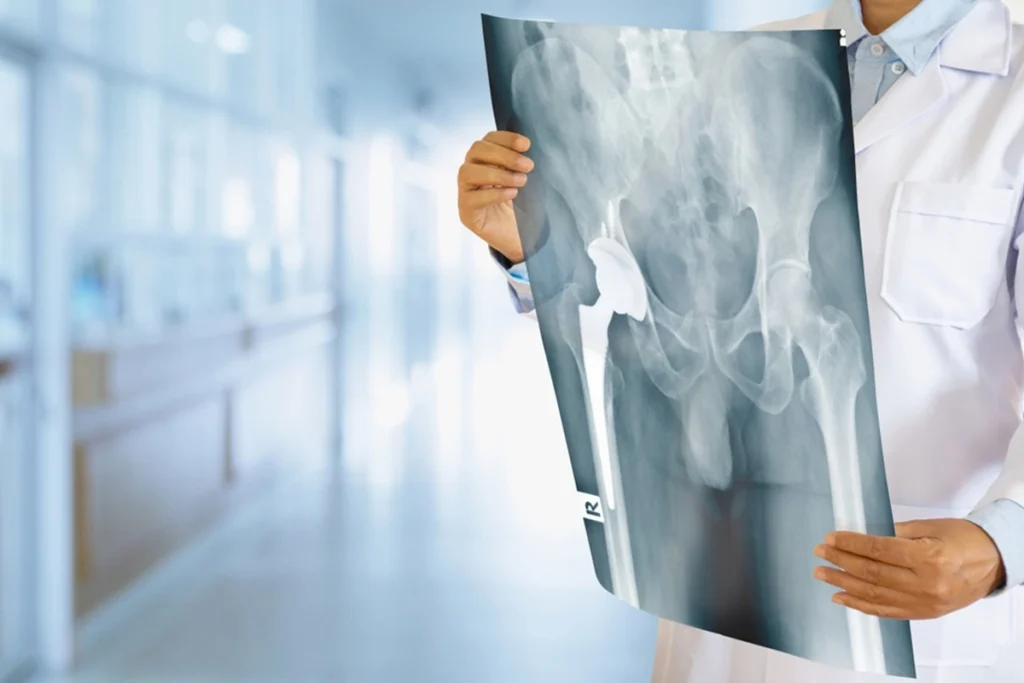
Hip Replacement Surgery in Chandigarh: Minimally Invasive and Robotic Techniques
Hip pain can have a drastic effect on your ability to walk, work and perform daily activities. Diseases like osteoarthritis, avascular necrosis or traumatic injury can destroy the hip joint and lead to chronic pain and stiffness. Once all alternative treatment methods — medications, physiotherapy, lifestyle changes — stop providing the required relief, the only effective solution is through hip replacement surgery.
Today, innovative technologies such as minimally invasive surgery and robotic assisted hip replacement are revolutionizing orthopedic care. This would reduce muscle damage, allowing for quicker recovery and less pain, which improves the accuracy of the procedure during hip replacement surgery in Chandigarh with an expert like Dr. Zubin (Dr Zubin Ortho) and provide better long-term outcomes.
Understanding Hip Replacement Surgery
The most common type of hip replacement surgery is called total hip arthroplasty, during which a doctor removes the damaged parts of your hip joint and replaces them with artificial implants made from metal, ceramic or durable plastic. The aim is to restore mobility, relieve pain and enhance quality of life.
This surgery is typically recommended by doctors when patients see:
Severe hip arthritis
Avascular necrosis (bone losing its blood supply)
Hip fractures or trauma
Chronic hip pain affecting mobility
Reduced response to non-surgical treatments
With emerging technologies in the field of orthopedics, surgeons have the ability to operate robotic knee replacement with minimally invasive and robotic surgical techniques robotic surgical techniques.
Minimally Invasive Hip Replacement Surgery
Minimally invasive hip replacement is a specialized technique that utilizes smaller cuts and muscle-sparing approaches than regular (open) surgery. Rather than cutting through large muscles, surgeons maneuver between them to gain access to the hip joint.
Key Benefits
Smaller Incisions
The cut is usually much smaller than in traditional surgery, resulting in less scarring and speedier recovery.
Less Tissue Damage
It also minimizes surgical trauma by preserving adjacent muscles and tissue.
Reduced Pain After Surgery
This tends to result in less postoperative pain for patients, as they have a less significant muscle disruption.
Faster Recovery
Most patients get mobile faster and can resume regular activities sooner.
Shorter Hospital Stay
Many patients can begin walking soon after surgery and may leave the hospital sooner.
This provides even greater benefits, making minimally invasive hip replacement the treatment of choice for both patients experiencing a faster recovery and more comfort after surgery.
Robotic-Assisted Hip Replacement Surgery
The use of robotic technology in joint replacement is enabling unprecedented levels of precision. Its surgeon employs robotic assisted technology and cutting-edge systems to map out surgery, perform the operation with great precision.
It typically incorporates 3D imaging and computer-assisted planning, which enables surgeons to tailor the procedure based on the patient’s anatomy.
Advantages of Robotic Hip Replacement
Personalized Surgical Planning
To find out how best to fit the implant, they create a 3D model of the patient’s hip joint.
Exceptional Precision
Use of robotic guidance can allow successful positioning of the implants in millimeter level, leading to adequate alignment of the replaced joints.
Lower Risk of Complications
Correct positioning of the implants minimizes dislocation and wear.
Better Joint Function
With proper alignment, mobility will be improved and range of motion more natural.
Faster Rehabilitation
Robotic surgery involves less damage to tissue, so patients tend to recover more quickly.
Who Is a Good Candidate for Hip Replacement?
You could be a candidate for hip replacement surgery if you have:
Despite the fact that serious hip pain may be present even when resting
Difficulty walking or climbing stairs
Limited hip movement and stiffness
Radiologic evidence of hip joint damage
Medications or physiotherapy did not yield positive results
An experienced orthopedic surgeon should meet with you to find the best treatment plan.
Recovery After Hip Replacement Surgery
Recovery is variable but most patients will have substantial improvement within a few weeks.
Typical Recovery Timeline
First Few Days
Walking with assistance
Pain management and wound care
2–6 Weeks
Gradual return to daily activities
A physical therapist may also help improve strength and flexibility
3 Months and Beyond
Most patients resume normal routines
Improved mobility and reduced pain
After your surgery, the therapist will assess you and assign you to muscle strengthening and joint motion exercises.
Best Hip Replacement Surgeon in Chandigarh | Dr Zubin Ortho
Choosing the right orthopedic specialist for Best Hip Replacement Surgeon in Mohali Dr. Zubin Ortho is the one offering:
Advanced minimally invasive surgical techniques
Robotic-assisted joint replacement procedures
Personalized treatment plans
Comprehensive rehabilitation support
Patient-focused orthopedic care
Thanks to modern technology and medical professionals, patients can look forward to safer procedures, a speedier recovery time and long-lasting results.
FAQs
How long does a hip replacement take?
Typical hip replacement surgeries take around 1–2 hours depending on the difficulty of the procedure.
Is robotic hip replacement safe?
Yes. Robotic-assisted surgery improves precision and assists surgeons in accurately placing implants, reducing complications and possibly improving long-term outcomes.
How long is recovery after hip replacement?
With appropriate physiotherapy, most patients are up walking within a few days and back to regular activities within 6–12 weeks.
How long does a hip implant last?
Modern hip implants can last 15–20 years, or longer depending on lifestyle and activity level.
When to see a doctor about hip pain
If hip pain does not improve after several weeks, interferes with walking or does not respond to medications or physiotherapy, step up and make an appointment with an orthopedic specialist.
{
“@context”: “https://schema.org”,
“@type”: “BreadcrumbList”,
“itemListElement”: [
{
“@type”: “ListItem”,
“position”: 1,
“name”: “Home”,
“item”: “https://drzubinortho.com”
},
{
“@type”: “ListItem”,
“position”: 2,
“name”: “Hip Replacement Surgery in Chandigarh: Minimally Invasive and Robotic Techniques”,
“item”: “https://drzubinortho.com/orthopedics/hip-replacement-surgery-in-chandigarh-minimally-invasive-and-robotic-techniques/”
}
]
}
{
“@context”: “https://schema.org”,
“@type”: “FAQPage”,
“mainEntity”: [
{
“@type”: “Question”,
“name”: “What is hip replacement surgery?”,
“acceptedAnswer”: {
“@type”: “Answer”,
“text”: “Hip replacement (total hip arthroplasty) removes damaged hip joint parts and replaces them with artificial implants made from metal, ceramic, or durable plastic to restore mobility, relieve pain, and enhance quality of life.”
}
},
{
“@type”: “Question”,
“name”: “When is hip replacement surgery recommended?”,
“acceptedAnswer”: {
“@type”: “Answer”,
“text”: “Surgery is recommended for severe hip arthritis, avascular necrosis, hip fractures, chronic hip pain affecting mobility, and when non-surgical treatments like medications and physiotherapy no longer provide relief.”
}
},
{
“@type”: “Question”,
“name”: “What is minimally invasive hip replacement surgery?”,
“acceptedAnswer”: {
“@type”: “Answer”,
“text”: “A specialized technique using smaller incisions and muscle-sparing approaches. Surgeons maneuver between muscles rather than cutting through them to access the hip joint, reducing damage and recovery time.”
}
},
{
“@type”: “Question”,
“name”: “What are the benefits of minimally invasive hip replacement?”,
“acceptedAnswer”: {
“@type”: “Answer”,
“text”: “Key benefits include smaller incisions, reduced muscle damage, less postoperative pain, quicker recovery, and improved long-term outcomes compared to traditional open surgery.”
}
},
{
“@type”: “Question”,
“name”: “What conditions can lead to needing hip replacement surgery?”,
“acceptedAnswer”: {
“@type”: “Answer”,
“text”: “Conditions include osteoarthritis, avascular necrosis, traumatic hip injuries, and chronic hip pain that destroys the joint, causing persistent pain and stiffness unresponsive to conservative treatments.”
}
},
{
“@type”: “Question”,
“name”: “What is robotic-assisted hip replacement surgery?”,
“acceptedAnswer”: {
“@type”: “Answer”,
“text”: “Robotic-assisted hip replacement uses advanced technology to improve surgical precision and accuracy during the procedure, leading to better implant placement and improved long-term outcomes for patients.”
}
}
]
}
{
“@context”: “https://schema.org”,
“@type”: “Physician”,
“name”: “Dr. Zubin Mehta”,
“jobTitle”: “Orthopaedic Surgeon”,
“description”: “Fellowship-trained orthopaedic surgeon specialising in hip replacement and robotic knee replacement (Stryker Mako). Trained at Dalhousie University Canada and Royal College of Surgeons England.”,
“url”: “https://drzubinortho.com/aboutus/”,
“worksFor”: {“@type”: “MedicalOrganization”, “name”: “Fortis Hospital Mohali”, “address”: {“@type”: “PostalAddress”, “addressLocality”: “Mohali”, “addressRegion”: “Punjab”, “addressCountry”: “IN”}},
“medicalSpecialty”: “Orthopedics”,
“alumniOf”: [{“@type”: “EducationalOrganization”, “name”: “Dalhousie University, Canada”},{“@type”: “EducationalOrganization”, “name”: “Royal College of Surgeons, England”}],
“sameAs”: [“https://drzubinortho.com”]
}
{
“@context”: “https://schema.org”,
“@type”: “MedicalProcedure”,
“name”: “Hip Replacement Surgery”,
“alternateName”: [“Total Hip Arthroplasty”, “Minimally Invasive Hip Replacement”, “Robotic Hip Replacement”],
“procedureType”: “https://schema.org/SurgicalProcedure”,
“bodyLocation”: “Hip Joint”,
“description”: “Hip replacement surgery removes the damaged hip joint and replaces it with an artificial implant to relieve pain and restore mobility. Dr. Zubin Mehta performs minimally invasive hip replacement using Stryker Mako robotic assistance at Fortis Hospital Mohali.”,
“howPerformed”: “Minimally invasive approach with Stryker Mako robotic assistance for precise implant positioning and faster recovery”,
“preparation”: “Pre-operative blood tests, X-rays, and anaesthesia consultation”,
“followup”: “Physiotherapy beginning day after surgery; most patients walk within 24 hours”,
“indication”: {“@type”: “MedicalIndication”, “name”: “Hip osteoarthritis, avascular necrosis, hip fracture, rheumatoid arthritis”},
“performer”: {“@type”: “Physician”, “name”: “Dr. Zubin Mehta”, “url”: “https://drzubinortho.com/aboutus/”}
}