
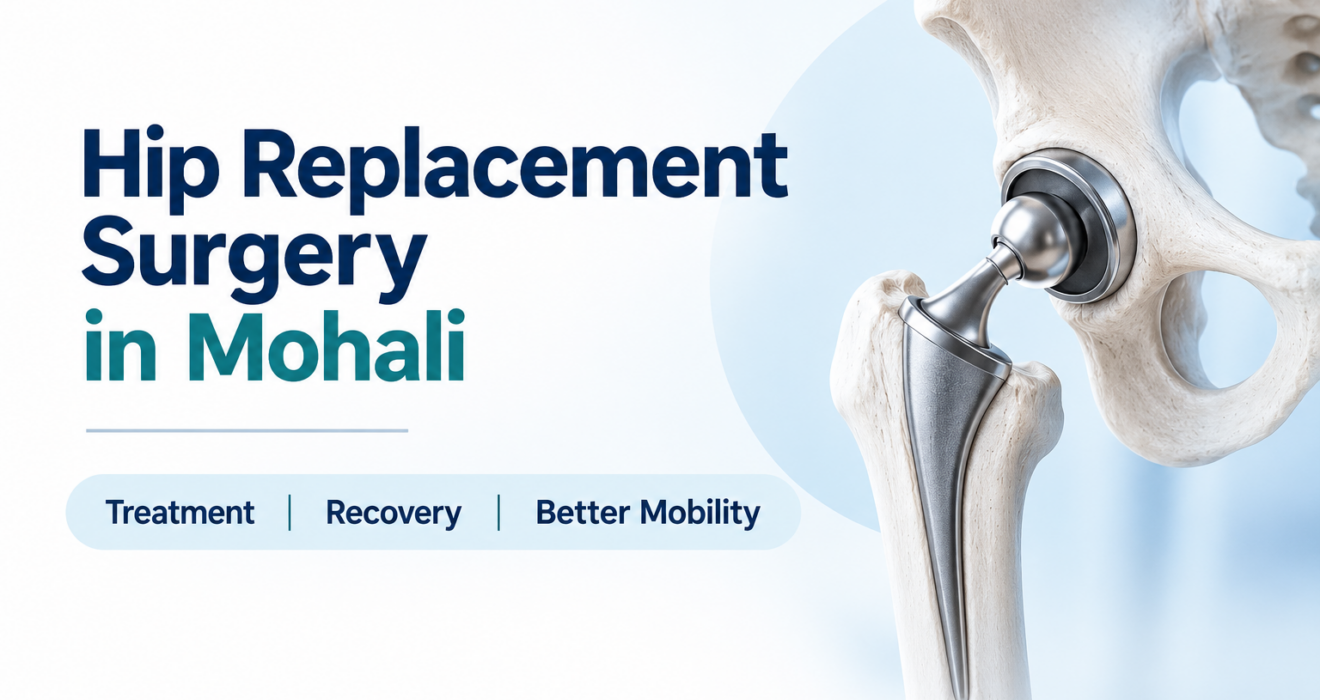
Hip Replacement Surgery in Mohali: Treatment, Recovery, and Better Mobility
Persistent hip pain can make everyday activities such as walking, climbing stairs, sitting, and sleeping uncomfortable. When hip joint damage progresses, even simple movements may become difficult. Hip replacement surgery can help suitable patients reduce pain, improve mobility, and regain independence.
If you are considering Hip Replacement Surgery in Mohali, understanding the causes of hip pain, available surgical approaches, and recovery process can help you make an informed decision.
What Is Hip Replacement Surgery?
A hip replacement is a surgical operation that replaces damaged hip joint parts with prosthetic ones. It is commonly recommended for patients with advanced osteoarthritis, rheumatoid arthritis, avascular necrosis, or certain hip fractures.
The procedure aims to reduce pain and improve the function of the hip joint.Surgery isn’t always a patient’s first choice, though. Medication, activity modification, physiotherapy, and other treatments may help manage symptoms in some cases.
An experienced orthopaedic specialist can evaluate your symptoms, review imaging results, and determine whether surgery is appropriate for your condition.
When Should You Consider Hip Replacement?
Hip replacement may be considered when hip pain and stiffness continue to affect your quality of life despite non-surgical treatment.
Common signs include:
- Persistent pain in the hip, groin, or upper thigh.
- Difficulty walking or standing for extended periods.
- Stiffness that limits hip movement.
- Pain that interferes with sleep or daily activities.
- Difficulty putting on shoes or getting into a chair.
- Reduced independence because of limited mobility.
If these symptoms are affecting your routine, a consultation can help identify the cause and establish an appropriate treatment plan.
Minimally Invasive Hip Replacement: An Advanced Approach
Modern orthopaedic techniques may allow surgeons to perform hip replacement through approaches designed to minimise disruption to surrounding tissues. Depending on the patient’s anatomy and condition, minimally invasive techniques may involve smaller incisions and can support rehabilitation.
Dr. Zubin Mehta is an orthopaedic surgeon specialising in hip and knee replacement, with fellowship training in India, England, and Canada. His practice offers minimally invasive hip replacement for suitable patients.
When exploring Hip Replacement Surgery in Mohali, discuss the available surgical approaches, implant options, potential benefits, and risks with your surgeon. The most suitable technique depends on individual needs, and smaller incisions do not automatically guarantee faster recovery or better outcomes.
What to Expect During Recovery
Your overall health, the surgical technique, and your level of rehabilitation all affect how well you recover following a hip replacement. When it is medically appropriate, many patients start walking and standing shortly after surgery.
Your recovery plan may include:
Early mobilisation: As directed by your medical team, walk with assistance.
Physiotherapy: Exercises to improve strength, flexibility, and balance.
Pain management: Following prescribed medication and care instructions.
Daily activity guidance: Learning safe ways to sit, stand, and move.
Follow-up appointments: Monitoring healing and progress.
Some patients resume many routine activities within several weeks, while complete recovery may take several months. Following medical advice and attending physiotherapy sessions are important for a safe recovery.
Choosing the Right Hip Replacement Surgeon
Choosing a surgeon involves considering relevant training, experience, communication, hospital facilities, and follow-up care. Your surgeon should explain the expected benefits, possible complications, implant choices, and realistic recovery goals.
Patients searching for the Best Hip Replacement Surgeon in Chandigarh should prioritise a specialist who evaluates their condition carefully and recommends treatment based on individual needs rather than taking a one-size-fits-all approach.
Dr. Zubin Mehta provides orthopaedic consultations through his practice in the Mohali region and at Fortis Hospital, Mohali. If you are considering Hip Replacement Surgery in Mohali, a consultation can help you understand your options and prepare for treatment.
Frequently Asked Questions
- How do I know if I need hip replacement surgery?
You may be a candidate if significant hip pain and stiffness persist despite appropriate non-surgical treatment. An examination and imaging help your surgeon assess joint damage.
- How long does recovery take after hip replacement?
Many patients gradually return to everyday activities over several weeks, although full recovery can take several months. Progress differs from person to person.
- Is minimally invasive hip replacement suitable for everyone?
No. Suitability depends on your anatomy, diagnosis, overall health, and the surgeon’s assessment.
- Can I walk after hip replacement surgery?
Many patients begin walking with assistance shortly after surgery, depending on their medical condition and the surgeon’s instructions.
- How can I choose the right surgeon?
Look for relevant orthopaedic training, hip replacement experience, clear communication, and a personalised treatment and rehabilitation plan.
Conclusion
Hip pain can limit your independence, but appropriate treatment may help you return to daily activities with greater comfort. If you are considering Hip Replacement Surgery in Mohali, consult an experienced orthopaedic specialist to understand your options and recovery expectations. Choosing the Best Hip Replacement Surgeon in Chandigarh for your individual needs begins with a careful assessment, an honest discussion of risks and benefits, and a personalised plan for treatment and rehabilitation.